As a supplier of electric road bikes, I understand the importance of maintaining the spoke tension on these high - performance machines. Proper spoke tension is not only crucial for the structural integrity of the wheel but also for the overall performance and safety of your electric road bike. In this blog, I'll share with you how to check the spoke tension on your electric road bike.

Why Is Spoke Tension Important?
Before diving into the method of checking spoke tension, let's understand why it matters. Spokes are like the skeleton of your bike wheel. They distribute the load evenly across the wheel, ensuring that it maintains its shape under different riding conditions. On an electric road bike, which can reach higher speeds and may carry a bit more weight due to the battery and motor, the stress on the wheels is even greater.
If the spoke tension is uneven, it can lead to several problems. First, an unevenly tensioned wheel is more likely to go out of true, causing the bike to wobble and making it difficult to steer. Second, over - stressed spokes can break, which is a safety hazard. Third, improper spoke tension can accelerate wear and tear on other components of the wheel, such as the hub and the rim.
Tools You'll Need
To check the spoke tension on your electric road bike, you'll need a few tools:
- Spoke Tension Meter: This is the most accurate way to measure spoke tension. There are different types available on the market, but the basic principle is the same. It measures the frequency or the force required to deflect a spoke, which is related to its tension.
- Park Tool DT - 3: This is a popular spoke tension meter among bike mechanics. It's relatively easy to use and provides consistent results. However, it might be a bit expensive for casual users.
- Spoke Wrench: You'll need a spoke wrench to make adjustments if you find that the spoke tension is off. Make sure you have the right size for your bike's spokes.
Step - by - Step Guide to Checking Spoke Tension
Step 1: Prepare Your Bike
Start by placing your electric road bike on a bike stand or a stable surface so that the wheel you want to check is off the ground and can rotate freely. For example, if you're checking the front wheel, lift the front end of the bike and secure it. If you're using a high - end model like the 36V 350W Carbon Fiber Frame Electric Racing BIke With Brushless Bafang Motor, handle it with extra care due to its lightweight and high - performance components.
Step 2: Familiarize Yourself with the Spoke Pattern
Most electric road bikes use a 3 - cross or 4 - cross spoke pattern. Understanding the pattern is important because it helps you identify the relationship between different spokes and how they interact to support the wheel. Refer to your bike's manual if you're not sure about the spoke pattern.
Step 3: Mark a Starting Point
Choose a spoke on the wheel and mark it with a piece of tape or a crayon. This will be your starting point, making it easier to keep track of which spokes you've measured.
Step 4: Measure the Spoke Tension
Using your spoke tension meter, carefully measure the tension of the first spoke. Place the meter on the spoke at a specific point (usually recommended by the meter's manufacturer) and take a reading. Write down the tension value.
Repeat this process for each spoke on the wheel. It's important to be consistent with the placement of the meter on each spoke to get accurate and comparable results.
Step 5: Analyze the Tension Readings
Once you've measured all the spokes, look at the tension values. The ideal spoke tension can vary depending on the type of wheel and the manufacturer's recommendations. However, in general, the tension of all the spokes on a wheel should be relatively uniform. A difference of more than 10 - 15% between the highest and lowest tensioned spokes is a sign that the wheel needs adjustment.
Step 6: Make Adjustments (if necessary)
If you find that some spokes are under - tensioned or over - tensioned, you can use a spoke wrench to make adjustments. To increase the tension, turn the spoke nipple clockwise. To decrease the tension, turn it counter - clockwise. Make small adjustments and re - measure the tension after each adjustment to avoid over - tightening or under - tightening the spokes.
Alternative Method: The "Pluck" Test
If you don't have a spoke tension meter, you can use the "pluck" test as a rough estimate of spoke tension. This method involves simply plucking each spoke like a guitar string and listening to the sound it makes. Spokes with similar tensions should produce a similar pitch. A dull or low - pitched sound might indicate a loose spoke, while a very high - pitched sound could mean an over - tightened spoke.
However, the pluck test is not as accurate as using a spoke tension meter, especially for detecting small differences in tension. It's more of a quick check to see if there are any obvious problems with the spoke tension.
Tips for Maintaining Proper Spoke Tension
- Regular Checks: Make it a habit to check the spoke tension on your electric road bike every few months or after a long ride, especially if you've hit any potholes or rough terrain.
- Proper Cleaning: When cleaning your bike, pay attention to the spokes and make sure they're free of dirt and grime. This can help prevent corrosion, which can weaken the spokes and affect their tension.
- Professional Tuning: If you're not confident in your ability to check and adjust the spoke tension, take your bike to a professional bike mechanic. They have the experience and tools to ensure that your wheel is in perfect condition.
Conclusion
Checking the spoke tension on your electric road bike is an important part of bike maintenance. By following the steps outlined in this blog, you can ensure that your wheels are in good condition, which will enhance the performance and safety of your bike.
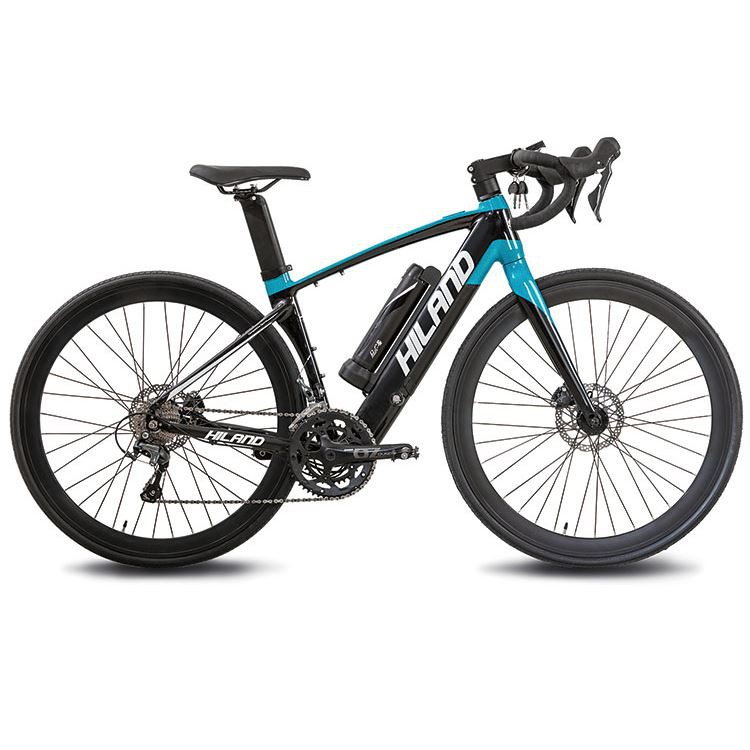
Whether you're riding the sleek Engine Electric Road Bike or the fast - paced HILAND 22 Speed Fast E Road Bike 250W 36V, proper spoke tension will keep you rolling smoothly.
If you're interested in purchasing high - quality electric road bikes or have any questions about spoke tension or other bike - related topics, feel free to contact us for further discussion and procurement negotiations.
References
- "Bicycle Wheel Builder's Handbook" by Jobst Brandt
- "The Bicycle Wheel" by Sheldon Brown
- Manufacturer's manuals for various electric road bikes.