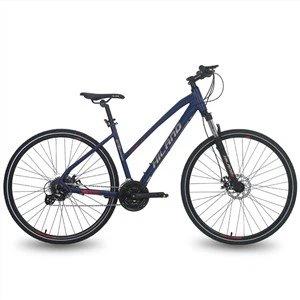
A road bike computer, also known as a cycling computer, is an essential accessory for road cyclists. It serves as a multi - functional device that provides a wealth of information about a cyclist's ride. As a road bike supplier, I've seen firsthand how bike computers enhance the cycling experience for both amateur and professional riders.
Basic Functions of a Road Bike Computer
The most fundamental functions of a road bike computer include speed and distance measurement. The speed can be displayed in both instantaneous and average forms. Instantaneous speed shows how fast you're going at a given moment, which is useful for gauging your effort during sprints or when going downhill. Average speed, on the other hand, gives you an overall picture of how efficiently you've covered a certain distance. For example, if you're training for a long - distance race, knowing your average speed can help you adjust your pacing strategy.
Distance measurement is another crucial feature. It allows cyclists to keep track of how far they've ridden. Whether you're aiming for a daily workout goal of a specific number of miles or kilometers, or planning a multi - day tour, the ability to accurately measure distance is invaluable. Some bike computers also have the option to set different distance counters, like a trip odometer for a single ride and a total odometer to record all the miles or kilometers you've ever cycled on that bike.
Additional Functions
Many modern road bike computers come with additional features. One such feature is the ability to measure altitude. Altitude data can be used to determine the elevation gain and loss during a ride. For mountainous road rides, this information helps cyclists understand the intensity of the terrain. For instance, if you're climbing a steep hill, the altitude display can tell you how many feet or meters you've ascended and how much more you have to go.
Heart rate monitoring is another important function. By connecting the bike computer to a heart rate monitor, cyclists can monitor their heart rate in real - time. This is crucial for training purposes as it allows riders to stay within their target heart rate zones. For example, if you're in a fat - burning zone (usually a lower heart rate range), you know that your body is focused on using fat as an energy source. If you push into a higher heart rate zone, you're working more anaerobically, which can improve your speed and power.
Cadence, or the rate at which you pedal, is also a feature found on some bike computers. Maintaining an optimal cadence can improve your cycling efficiency and reduce the risk of injury. A typical cadence for road cycling is between 80 - 100 revolutions per minute (RPM). By monitoring your cadence, you can adjust your pedaling rhythm to stay within this optimal range.


Types of Road Bike Computers
There are two main types of road bike computers: wired and wireless. Wired bike computers have a physical connection between the sensor (usually located on the wheel or crank) and the display unit. They are generally more reliable in terms of signal strength since there's no risk of interference. However, the wires can be a bit cumbersome and may require more careful installation.
Wireless bike computers, on the other hand, use radio frequency or Bluetooth technology to transmit data from the sensor to the display. They are easier to install as there are no wires to route around the bike frame. The downside is that they can sometimes experience signal interference, especially in areas with a lot of electronic noise.
Compatibility with Road Bikes
When choosing a road bike computer, it's important to ensure compatibility with your bike. Most bike computers are designed to work with standard road bike wheels and components. However, if you have a specialized or custom - built road bike, you may need to double - check the compatibility. For example, some high - end carbon fiber frames may require special mounting brackets for the bike computer sensors.
As a road bike supplier, we offer a variety of road bikes that are suitable for use with different bike computers. Our 700C 14 Speed Steel Frame Road Bike is a great option for cyclists who want a reliable and durable frame. Its standard 700C wheels make it easy to install a bike computer sensor.
Another popular model is the HILAND Professional Aluminum Alloy 14 Speed Road Bicycle 700C Road Bike. The lightweight aluminum alloy frame is not only great for performance but also provides a good surface for mounting bike computer components.
If you prefer a more minimalist approach, our 6 Speed 700c Fixie Bike is a perfect choice. Despite its simplicity, it can still be equipped with a basic bike computer to track your speed and distance.
Importance of a Road Bike Computer for Commercial Customers
For commercial customers, such as bike rental shops or cycling clubs, road bike computers add value to the rental experience. Customers who rent bikes are more likely to have a better time if they can track their performance. It also helps the rental shops gather data about the usage of their bikes, such as the average distance traveled per rental, which can be used for maintenance planning and inventory management.
Cycling clubs can use bike computers to organize group rides more effectively. Riders can compare their performance data, which can be a source of motivation and friendly competition. For example, the club can organize a monthly "fastest rider" contest based on average speed over a certain route.
Making a Decision on a Road Bike Computer
When deciding on a road bike computer, consider your specific needs. If you're a casual rider who just wants to know basic information like speed and distance, a simple and affordable model may be sufficient. However, if you're a serious cyclist who trains regularly, you may want a more advanced bike computer with features like heart rate monitoring, altitude measurement, and GPS tracking.
Price is also an important factor. Bike computers can range from relatively inexpensive models that cost around $20 - $30 to high - end ones that can cost several hundred dollars. While more expensive models generally offer more features, make sure you're paying for the functions you actually need.
Contact for Purchase and Negotiation
If you're interested in purchasing road bikes or bike computers, or if you have any questions about our products, we're here to help. Whether you're a bike enthusiast looking for your next ride or a commercial customer in need of a bulk order, feel free to reach out to us for purchase negotiation. Our team of experts can provide you with detailed information about our products and help you make the best choice for your needs.
References
- Wilson, Fred. Cycling Accessories Guide. 2021 Edition.
- Smith, Jane. The Science of Road Cycling. 2022.
- Cycling World Magazine. Various issues on bike components and technology.