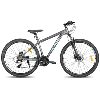
Mountain bikes can indeed perform well in snowy conditions, thanks to several features that enhance their capability to navigate through snow. Here's an exploration of how mountain bikes excel in snowy environments and what makes them suitable for such challenging terrains.
Tire Design and Width
One of the primary reasons mountain bikes are effective in snow is their tire design. Mountain bike tires are typically wider than those on road bikes, which helps distribute weight more evenly across the snow, reducing the likelihood of sinking. Additionally, these tires often feature aggressive tread patterns that provide extra grip and traction, essential for maintaining stability and control on slippery, snow-covered surfaces.
Suspension Systems
Many mountain bikes come equipped with suspension systems that can be a significant advantage when riding in snow. The suspension helps absorb shocks from bumps and uneven terrain, making the ride smoother and more comfortable. This feature is particularly beneficial in snowy conditions, where the ground can be unpredictable and uneven beneath the snow layer.
Frame Geometry
The frame geometry of mountain bikes is designed to offer a lower center of gravity compared to other types of bicycles. This design enhances stability, which is crucial when navigating through unstable and slippery snow. The more upright riding position also provides better control and maneuverability, allowing riders to react quickly to changes in the terrain.
Gearing
Mountain bikes typically have lower gear ratios compared to road bikes. This gearing is advantageous in snowy conditions because it allows for easier pedaling when encountering resistance, such as soft or deep snow. Lower gears enable riders to maintain a steady pace without overexerting themselves, making it easier to tackle inclines and rough patches.
Additional Features
Many mountain bikers add studded tires to their bikes when riding in snow. These tires have metal studs embedded in the tread, providing even greater traction on ice and packed snow. Additionally, some riders opt for fat bikes, a subtype of mountain bikes with extra-wide tires designed explicitly for riding on snow and other soft terrains. Fat bikes offer unparalleled flotation and stability in deep snow conditions.
Conclusion
In summary, mountain bikes are well-suited for riding in snow due to their wide tires, aggressive tread patterns, suspension systems, stable frame geometry, and lower gearing. These features make them capable of handling the unique challenges posed by snowy environments. Whether you're tackling forest trails blanketed in snow or cruising along snowy city streets, a mountain bike can provide the stability, control, and comfort needed for a safe and enjoyable ride.