Road bikes and mountain bikes are two common types of bicycles that differ significantly in design, purpose, and performance. Here is a detailed comparison of the two:
1. Design and purpose
Road bikes:
Purpose: Mainly used for riding on flat or slightly undulating roads, pursuing speed and efficiency.
Design features: Lightweight, aerodynamic design, suitable for long-distance, high-speed riding.
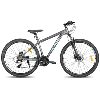
Mountain bikes:
Purpose: Designed for off-road, mountainous, and rugged terrain, emphasizing passability and durability.
Design features: Strong and durable, adaptable to complex terrain, suitable for adventure and off-road riding.
2. Frame and material
Road bikes:
Frame material: Mostly use lightweight materials such as carbon fiber and aluminum alloy to reduce weight and increase speed.
Frame geometry: The frame geometry design is more ergonomic, and the riding posture is forward-leaning to reduce wind resistance.
Mountain bikes:
Frame material: Commonly used aluminum alloy, steel or carbon fiber, emphasizing strength and durability.
Frame geometry: The frame design is more upright, providing better handling and comfort.

3. Tires and wheels
Road bikes:
Tires: Narrow and smooth tires (usually 23-28mm) reduce rolling resistance and increase speed.
Wheels: Lightweight wheels reduce inertia and accelerate faster.
Mountain bikes:
Tires: Wide tires (usually 2.0-2.6 inches) with deep tread for better grip and shock absorption.
Wheels: Sturdy wheels to adapt to complex terrain and prevent wheel rim deformation.
4. Shifting system
Road bikes:
Shifting system: Usually equipped with double or single disk systems, with a narrow gear ratio range, suitable for high-speed riding.
Transmission: Lightweight, precise transmission, fast shifting.
Mountain bikes:
Shifting system: Mostly three disk systems are used, with a wide gear ratio range, suitable for steep slopes and complex terrain.
Transmission: Durable and reliable transmission, suitable for harsh environments.
5. Brake system
Road bikes:
Brake system: Mechanical disc brakes or V brakes are mostly used, with lightweight design and good braking effect.
Mountain bikes:
Brake system: Usually equipped with hydraulic disc brakes, which provide stronger braking force and adapt to wet and muddy roads.
6. Riding posture and comfort
Road bikes:
Riding posture: Forward leaning posture, reducing wind resistance, suitable for long-term high-speed riding.
Comfort: Relatively low, because the riding posture is more aggressive, long-term riding may feel fatigue.
Mountain bikes:
Riding posture: More upright, providing better comfort and controllability.
Comfort: Higher, suitable for long-term riding and riding on complex terrain.

7. Price and maintenance cost
Road bikes:
Price: Relatively high, because of lightweight materials and precision manufacturing process.
Maintenance cost: Low, because the design is simpler and easy to maintain.
Mountain bikes:
Price: Relatively low, because more attention is paid to durability and practicality.
Maintenance cost: High, because they need to deal with complex terrain and harsh environment.
Summary
Road bikes and mountain bikes have significant differences in design, purpose and performance. Which bike to choose depends on your riding needs and preferences:
If you pursue speed and efficiency and ride mainly on flat roads, road bikes are a better choice.
If you like off-road, adventure, and often ride on rugged terrain, mountain bikes are more suitable for you.
By understanding the difference between the two, you can more accurately choose the type of bicycle that suits you and enjoy a more pleasant riding experience.