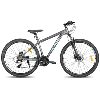
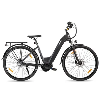
Electric road bikes, also known as e-road bikes, represent a cutting-edge advancement in cycling technology. These bikes combine the traditional aspects of road biking with modern electric assistance, making them an attractive option for cyclists of all levels. In this article, we will delve into the mechanics and functionality of electric road bikes, exploring how they work and what makes them unique.
Components of an Electric Road Bike
An electric road bike consists of several key components that work together to provide a seamless and efficient riding experience. These components include:
- Frame: The frame of an electric road bike is similar to that of a traditional road bike. It is typically made from lightweight materials such as carbon fiber or aluminum to ensure optimal performance.
- Motor: The motor is the heart of an electric road bike. It provides the necessary assistance to make cycling easier, especially in challenging terrains. Motors can be located in different parts of the bike, such as the front hub, rear hub, or mid-drive position.
- Battery: The battery powers the motor and is usually mounted on the frame or integrated into the downtube. Modern e-road bikes feature high-capacity lithium-ion batteries that offer extended range and quick charging times.
- Controller: The controller acts as the brain of the electric road bike. It manages the flow of electricity from the battery to the motor based on the rider's input and selected assistance level.
- Pedal Assist System (PAS): The PAS detects the rider's pedaling effort and adjusts the motor's assistance accordingly. This system ensures that the rider receives the right amount of support without having to rely on a throttle.
- Display: The display provides real-time information to the rider, such as battery level, assistance mode, speed, distance, and more. Some displays also offer navigation and connectivity features.
How Electric Road Bikes Operate
Electric road bikes operate by combining human power with electric assistance. Here's a step-by-step explanation of how they work:
1. Pedaling: When the rider starts pedaling, the PAS engages and begins to monitor the pedaling effort. The system uses sensors to detect the force applied to the pedals and the cadence (pedal revolutions per minute).
2. Assistance Levels: Most electric road bikes offer multiple assistance levels, allowing the rider to customize the amount of support they receive. These levels range from minimal assistance to full power, depending on the terrain and the rider's preferences.
3. Motor Activation: Based on the selected assistance level and the rider's pedaling effort, the controller sends the appropriate amount of electricity to the motor. The motor then provides additional torque to the wheels, making it easier to pedal and maintain higher speeds.
4. Battery Management: The battery supplies the necessary energy to the motor while being managed by the controller. Modern e-road bikes feature intelligent battery management systems that optimize energy consumption and prolong battery life.
5. Riding Experience: With the electric assistance, riders can tackle steep hills, ride against strong winds, and cover longer distances with less effort compared to traditional road bikes. The smooth integration of electric support allows for a natural and enjoyable riding experience.
Benefits of Electric Road Bikes
Electric road bikes offer numerous benefits that make them an appealing choice for cyclists. Some of the key advantages include:
- Enhanced Accessibility: E-road bikes make cycling accessible to a wider audience, including those with physical limitations or those who are new to cycling.
- Increased Range: The electric assistance enables riders to cover longer distances without getting overly fatigued, making it ideal for commuting, touring, and long-distance rides.
- Versatility: Electric road bikes can be used in various terrains, from flat city streets to hilly countryside routes, providing versatility and adaptability.
- Eco-Friendly: E-road bikes produce zero emissions and require less energy compared to motor vehicles, contributing to a greener and more sustainable transportation system.
- Health Benefits: While the electric assistance reduces the physical effort required, riders still benefit from cardiovascular exercise and improved fitness levels.
Conclusion
Electric road bikes represent a significant leap forward in cycling technology, offering a perfect blend of traditional road biking and modern electric assistance. By understanding how these bikes work and the benefits they provide, riders can make an informed decision and enjoy a more accessible, versatile, and eco-friendly cycling experience. Whether you're a seasoned cyclist or a beginner looking to explore the world on two wheels, an electric road bike could be the perfect companion for your cycling adventures.
Dec 04, 2024
Leave a message
How Do Electric Road Bikes Work?
Send Inquiry